
THE HARMLESS NIGHT TERROR
WHY YOU NEED TO GROW UP AND RESPECT MOTHS
People love butterflies. Sunshine, meadows, transformation - all the cheery stuff. But moths? They get side-eyed like they’re the unwanted guest at a birthday function.
But the truth is that butterflies and moths are exactly the same - it’s only their PR teams that are different.
There’s no hard scientific line between the two - both belong to the same insect order, Lepidoptera, and for every butterfly species you’ve cooed over, there are nearly 10 times more moths out there, quietly just being beautiful in the dark.
You just been sleeping.
Let us fix that. Here’s a roll call of moths who make most butterflies look basic:
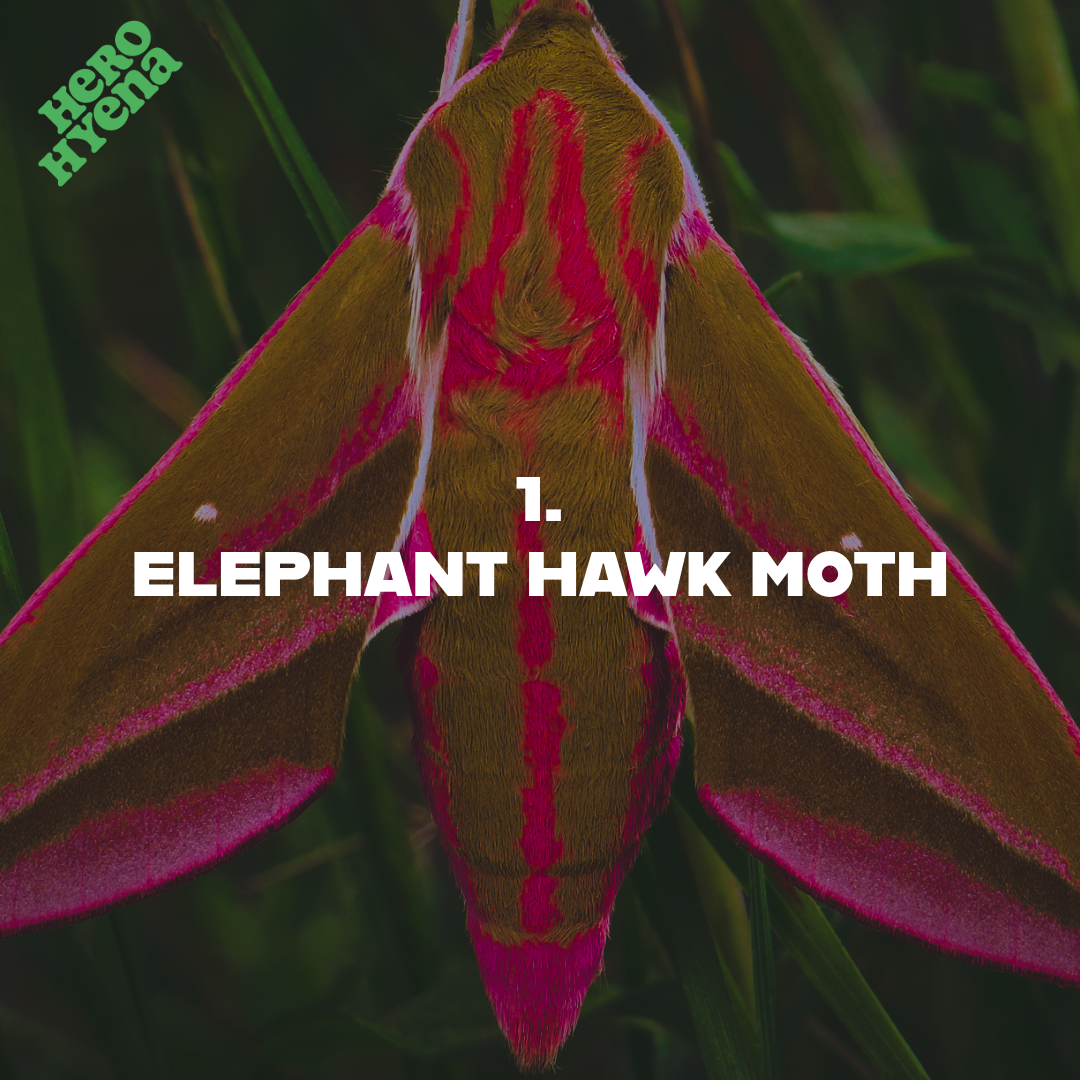
ELEPHANT HAWK MOTH (Deilephila Elpenor)
Hot pink. Acid green. It’s not trying to blend in - the brief was ‘stun them’ and that this moth does every time it’s seen.
A UK native, no less. Found in gardens, woods, and hedgerows.
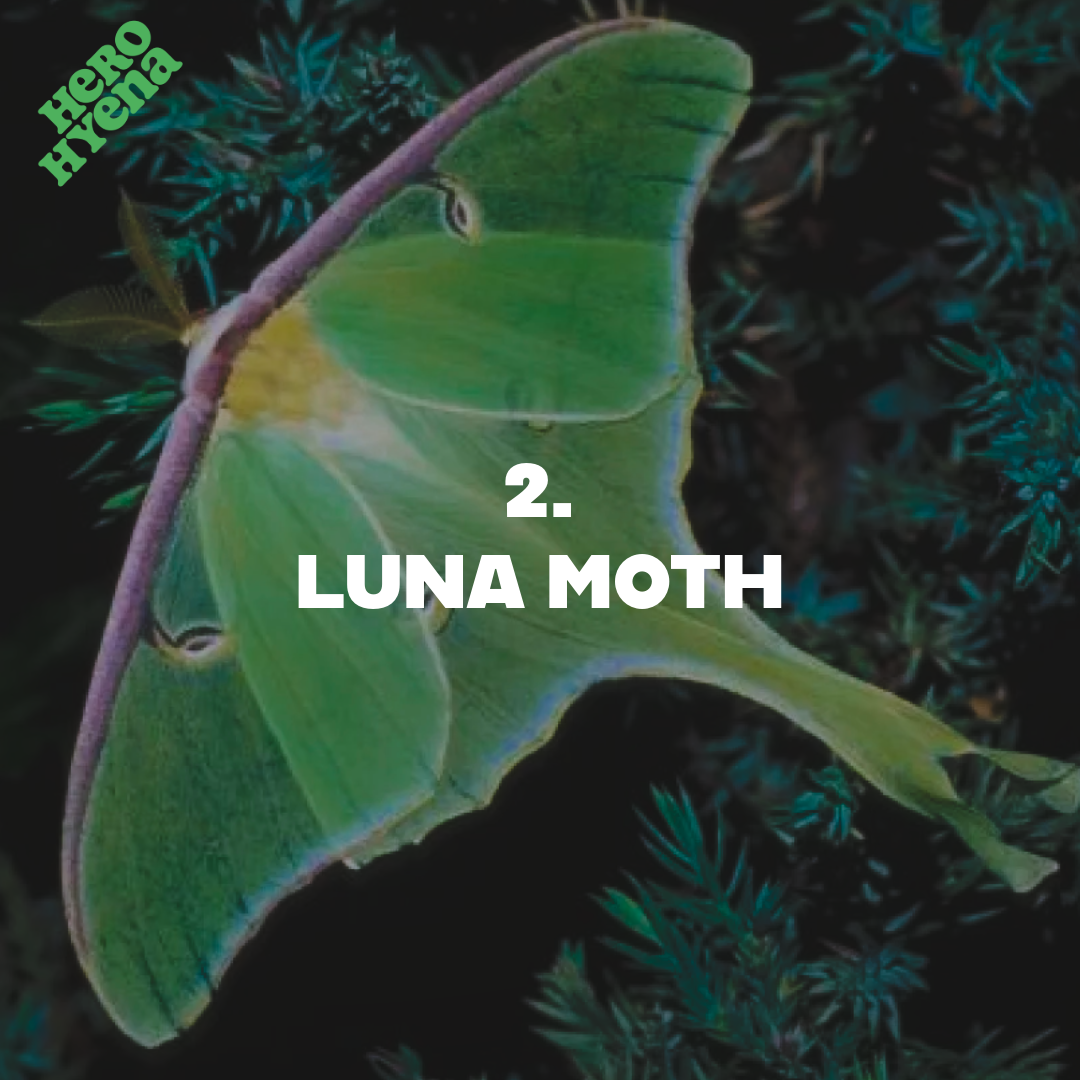
LUNA MOTH (Actias Luna)
Gliding on wings of pale green silk, Luna moths trail long, elegant tails evolved to jam bat sonar. They don’t eat. They don’t sting. They live just 7–10 days, purely to mate. It’s giving ‘putting on my best dress bc I need some TONIGHT’.
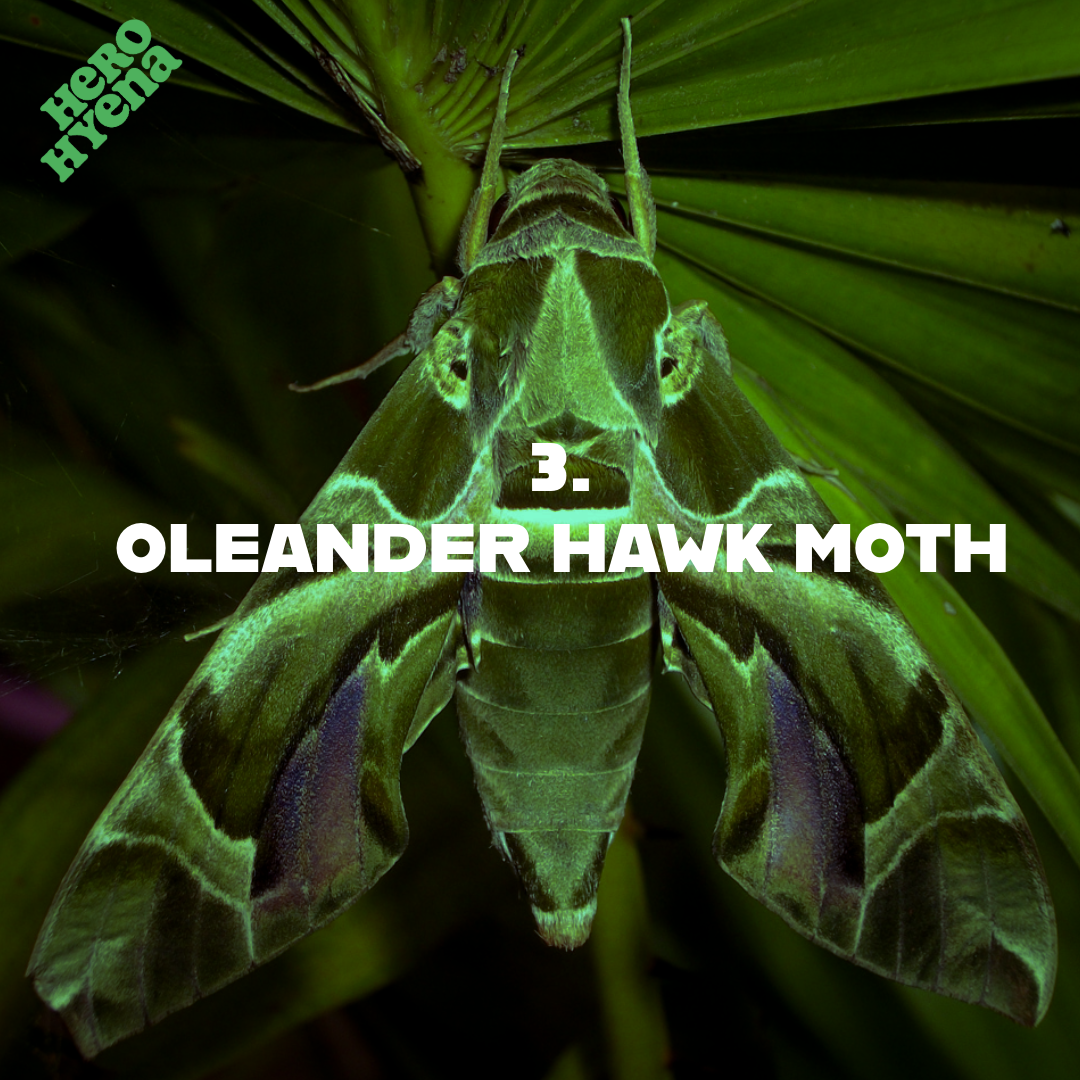
OLEANDER HAWK MOTH (Daphnis Nerii)
Velvet jungle camo with delicate pink pinstripes - this is stealth mode in serious print pattern.
A tropical nomad, it’s known to turn up in Europe after epic migrations from Africa.
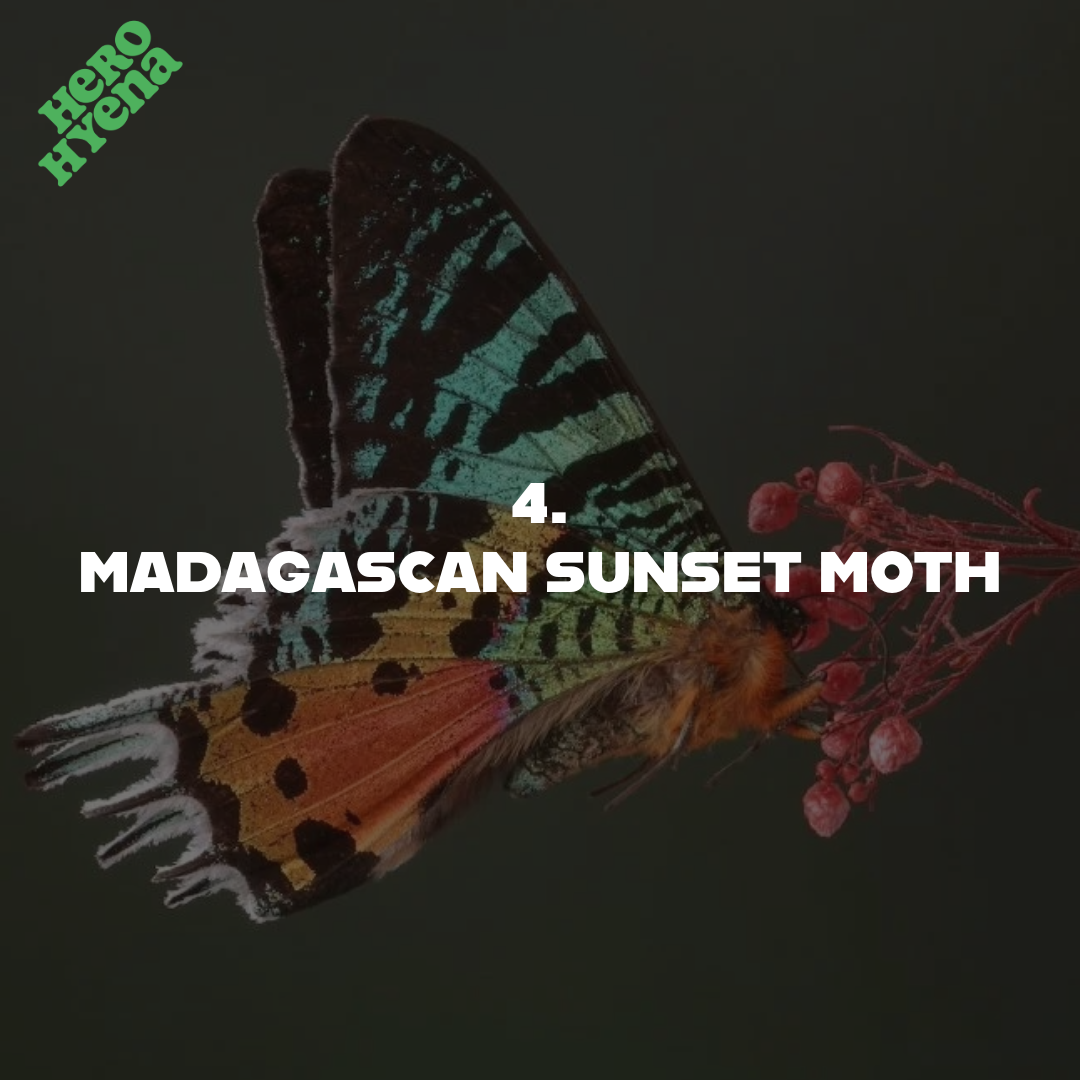
MADAGASCAN SUNSET MOTH (Chrysiridia Ripheus)
Forget being subtle—this one rolls out iridescent greens, fire reds, and ultraviolet violets. Wings like a shattered disco ball, framed in velvet black. It’s often mistaken for a butterfly because it flies by day
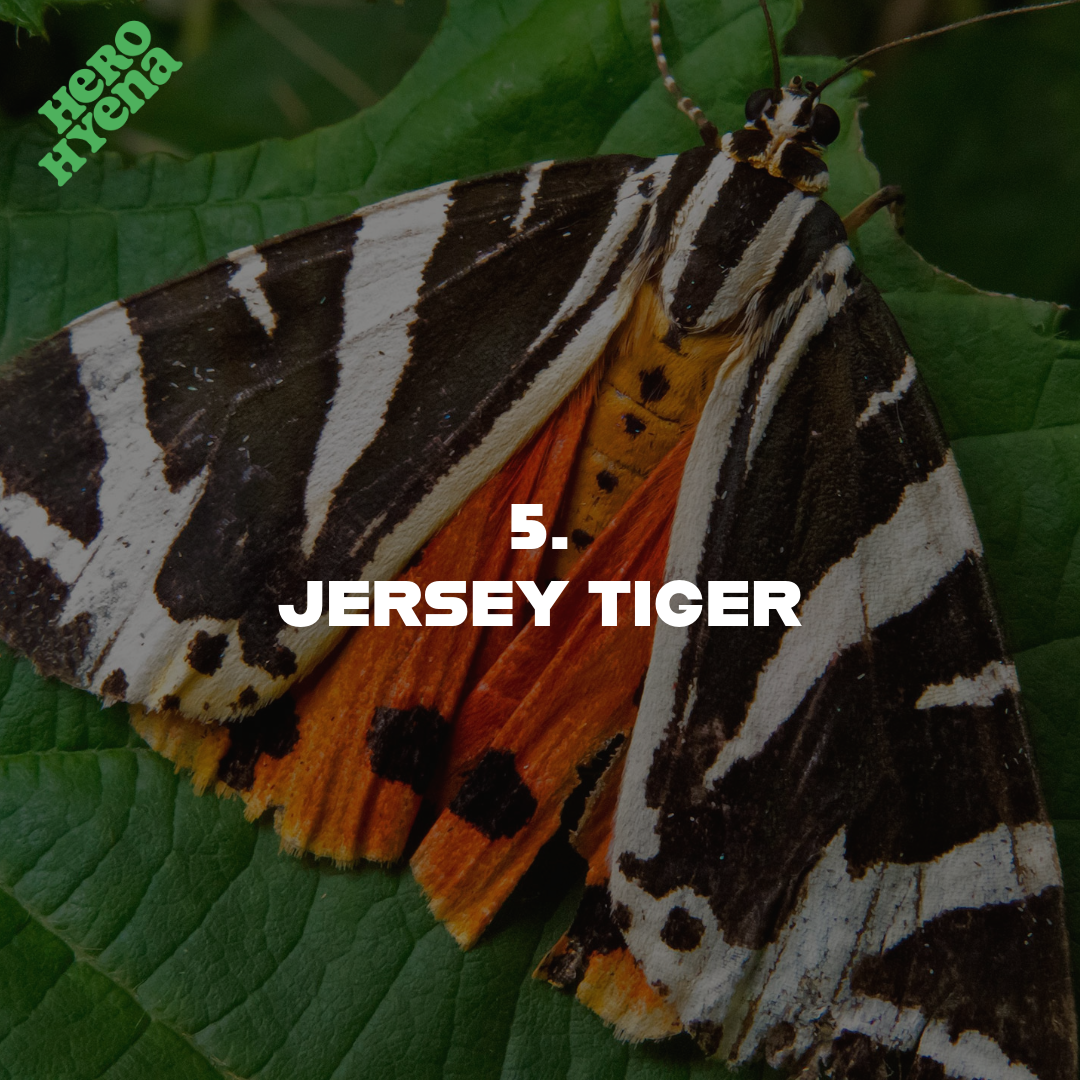
JERSEY TIGER (Euplagia Quadripunctaria)
This UK queen flies during the day, flaunting zebra stripes up top and electric orange underneath. It’s got high-contrast patterning and a tendency to show up in London gardens like it owns the place.